Creative Process
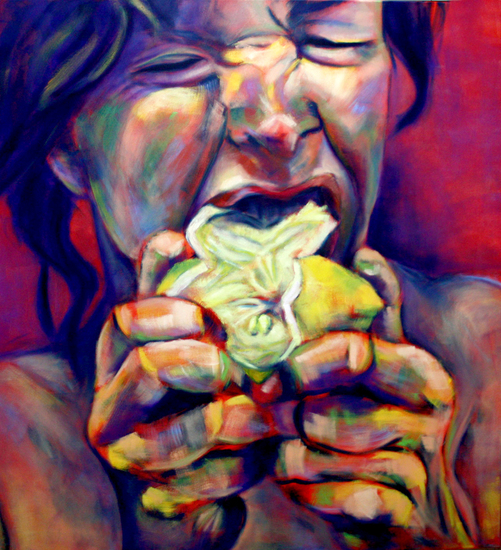
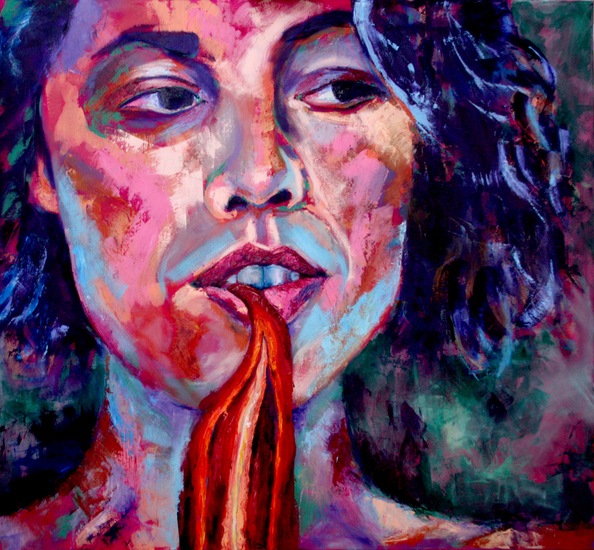
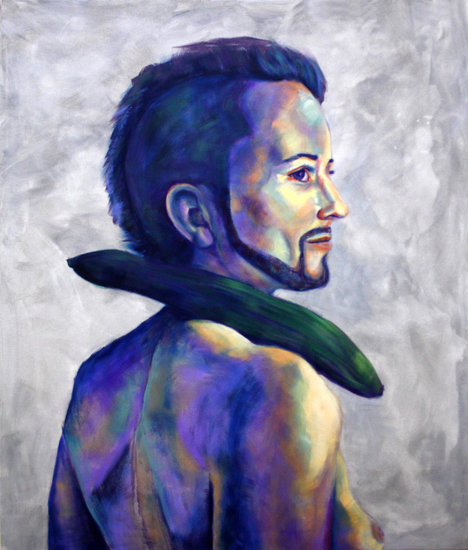
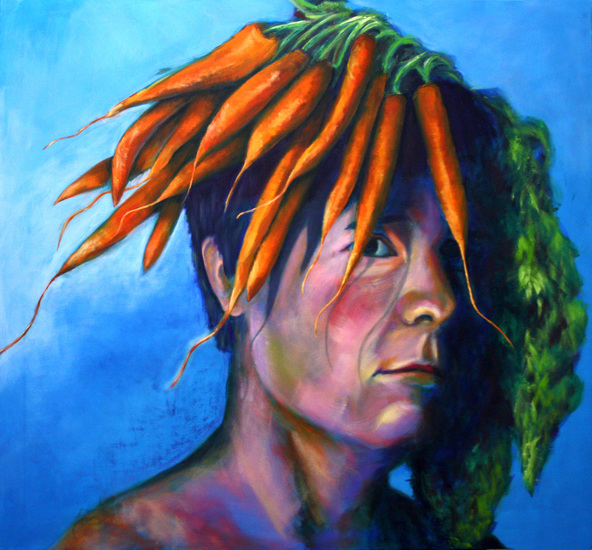
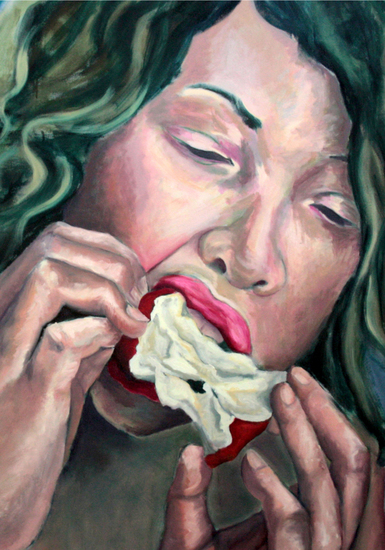
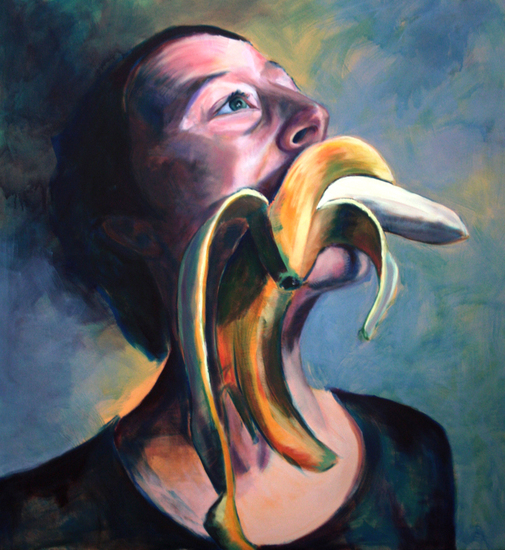
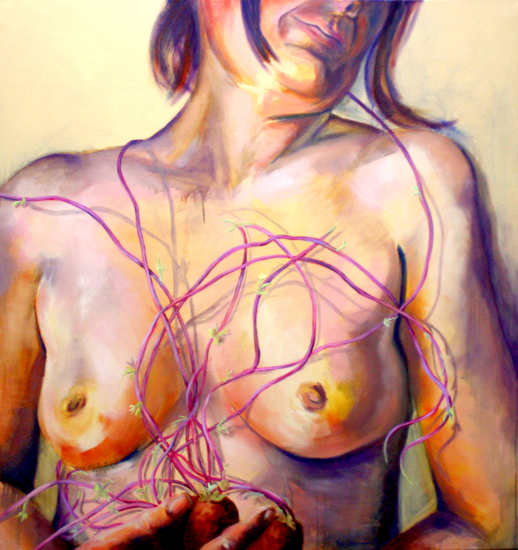
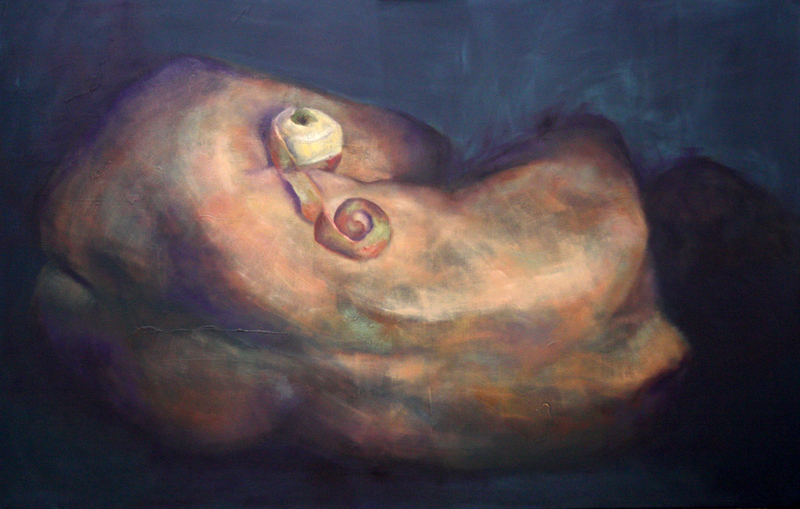
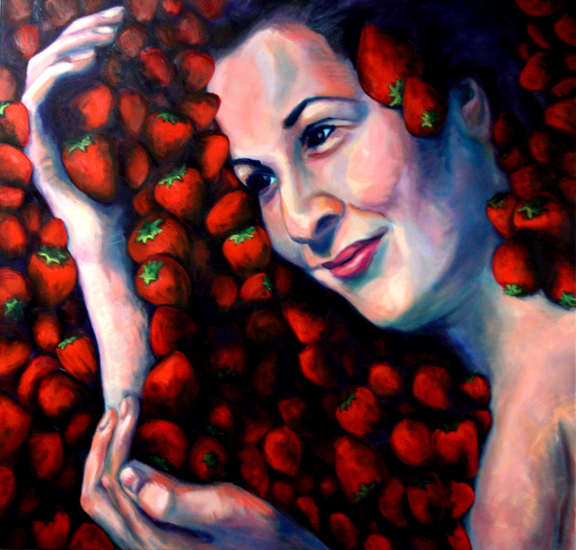
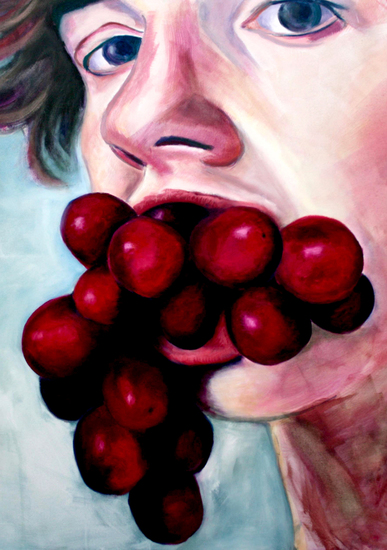
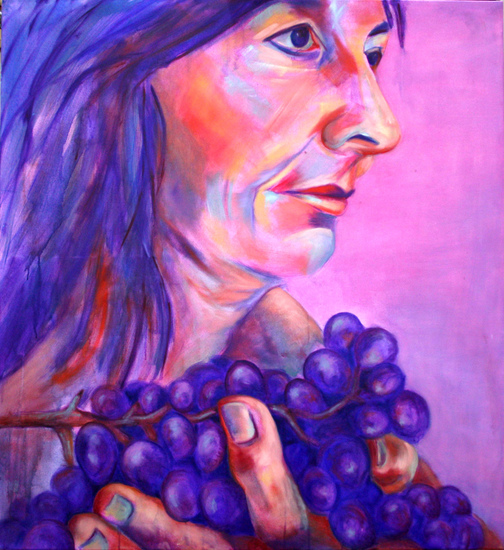
I always choose my models from my direct environment; either friends or family. Through my interaction with them, I see what they struggle with and what they long for, which in return provides me with imagery. The canvasses I make therefore have a strong psychological load.
In my work I express how I experience my models. I need this information from people in my direct environment to come to imagery. My observation is being transferred into an experience. What strikes and touches me is my models. The fundamental idea is to recognize and show that.
The personal bond I have with my models is almost an element as vital to the painting as the painting itself is. ‘Portraying’ of a model consists of a solid observation, not only when the model is sitting still, but even more so important is the observation of the ‘model in action’.
Making a painting becomes through that an interaction, an exchange. The model gives in to me and to the imagery that arises in my mind with a particular model. By taking the image they evoke as our starting point, researching this by means of posing an photographing, a direct communication on the image arises. I value the input of the model very highly, because it sometimes – either consciously or subconsciously – contributes to making the image stronger. The model and I are always moving, both physiologically and psychologically. Through that the image can adapt or change during the coming-into-existence of the painting itself. I surrender to my model and tune into him or her whilst making the painting. I try to share as much as I can in the realm of thought and emotions of the model. Through this the painting does not only become a picture of them but even more so a ‘recognition’ of who they are.
The psychological load is a recurring element in my work; I want to make paintings which are striking, disarming and sometimes endearing. I search for the process of recognition by the viewer in the paintings I make.
Aside from working with models I make self-portraits. Usually they also have a psychological load, but more than that they are expressions of self-mockery and playfulness. With my models I will never do that, because I want to experience them and see through who they are. This is fundamental to me.
I always start with a model standing directly and tangibly in front of me. From that point on, I work from photographs I have taken from them and am really inconvenienced if I don’t have these images in front of me. Photographing and my computer with Photoshop have become essential to my working process.
My models support me in the search of the combination of realism and abstraction. To my opinion a painting can be very powerful when there’s an exciting combination between realism and abstraction, with the two supplementing each other in terms of colouring, rhythm, movement and composition.
Others on my creative process:
Yette’s focus is on the aesthetics of what is percieved as self-evident, preferably with human beings as her subject. From moments in the here and now she strives to capture the almost metaphysical momentum of people concentrating on performing seemingly day-to-day activities: the attention with which someone reads a book, the small, almost spiritual moment of happiness in drinking a cup of tea. Yette is keen on making spectators aware of what one can find in their direct surroundings, in the here and now, by zooming in on aspects that are so easily overlooked.
Preferably she expresses her ideas through her paintings and dramatic art designs. Working on her paintings daily, she sets out to find a rythm, a flow which enables her to form a connection as intimate as possible to her model, material or design. For her this connection has everything to do with the attentiveness that is reflected by her models, which ultimately completes the spiritual cycle.
Betty Cooper 2011
From the award panel’s report of De Verzameling Drenthe, 2012:
Yette Rohde’s small, intrinsical piece captivated the jury by its fluent style of painting. Key phrases that came to mind were fresh, to the point, open. Free from finery, Yette’s well-aimed brush formes an attractive image. The combination of the foundation of photographs and the painted pigs elicits the spectator to think about the way in which we handle our meat production.